Florian Zumbrunn

I build interfaces where humans direct generative systems.

12+ years shipping creative tools, rendering engines, and now AI-driven workflows.

Why Google Arts & Culture Lab

For over a decade I've been the person between design and engineering. The one who prototypes the idea before anyone else can see it, who builds the internal tools that unblock the team, who translates what a designer envisions into something that actually runs in a browser. I'm comfortable speaking both languages, and I've always enjoyed being the bridge.

At Fable I built the rendering engine and designed the UI for the features it powered. As a freelancer I shipped award-winning interactive experiences that required both creative direction and deep technical execution. As an artist I build my own editors, my own generative pipelines, my own production systems, because the tools I need don't exist yet.

AI has amplified all of this. I now ship in hours what used to take weeks. I build interfaces where humans direct generative models with spatial, visual control, not just text prompts. From a 3D scene editor that lets users compose environments and send them to an AI model, to multi-model pipelines and AI-powered creative workflows I deploy for clients. My toolkit has expanded dramatically, but the core skill is the same: turning a vague creative intent into a working system, fast.

Reading about the Creative Technologist role at the Google Arts & Culture Lab felt surprisingly familiar. Prototyping interactive experiments at the crossroads of culture and AI, working from research and ideation through to fully-built web experiences, inventing new ways for people to access and engage with art. This is the work I care about most, the exact intersection of code, craft and culture I've spent over a decade in. It's also a kind of homecoming: Google's ecosystem is where some of my early work was first recognised (Google Creative Sandbox), where I've shipped commissioned work (real-time WebGL animations on the office screens at Google's Scramble Square in Shibuya), and whose generative models I now use daily. I'd love to help build what comes next.
Selected Work

Fable, Browser-Based Motion Design Platform

Core engineer on a browser-based animation platform ("Figma for animation"), designing and shipping the WebGL rendering pipeline, shader system, and creative tooling UI.

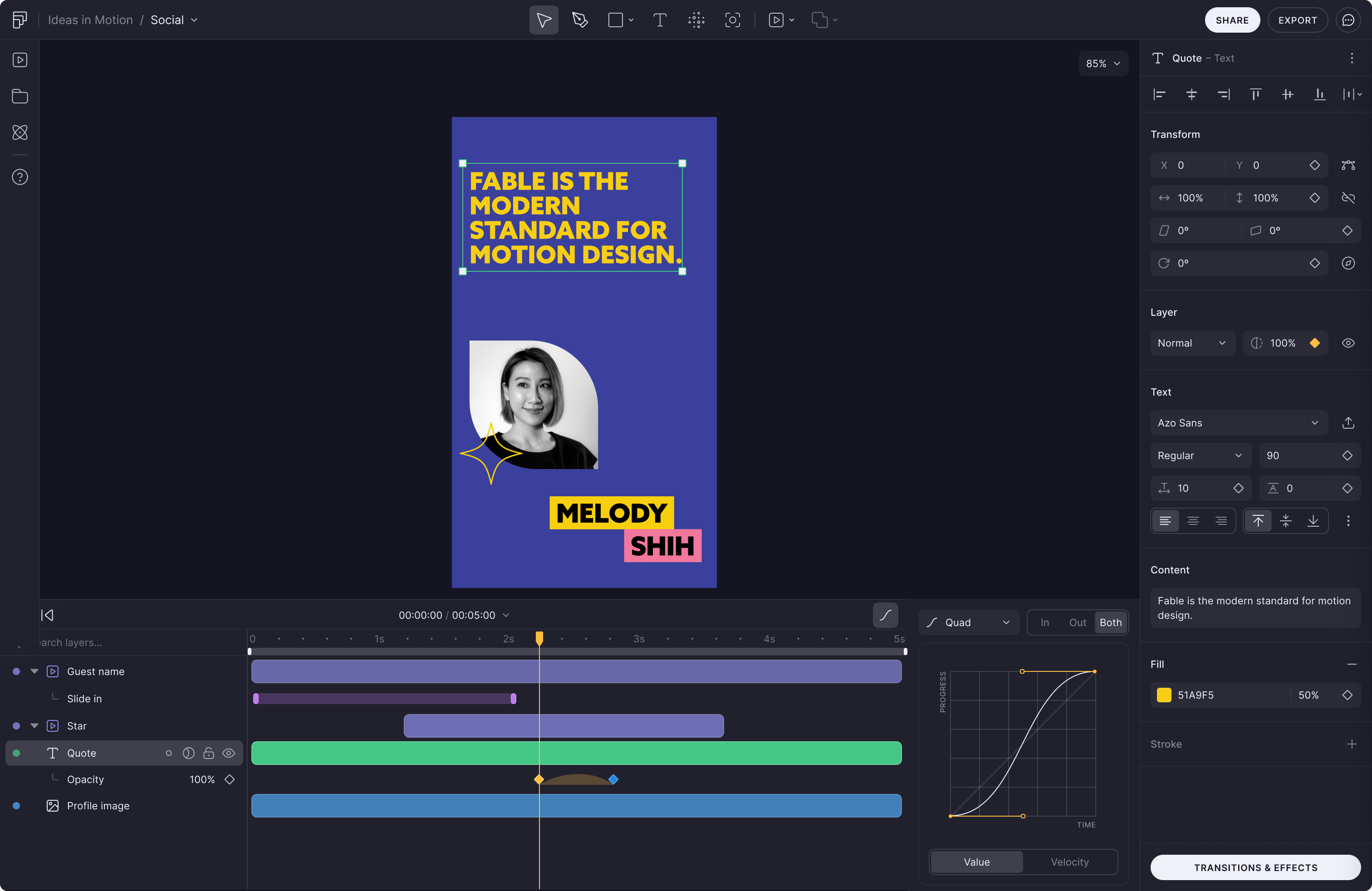
Fable editor showing timeline, canvas, motion design tools and layer properties
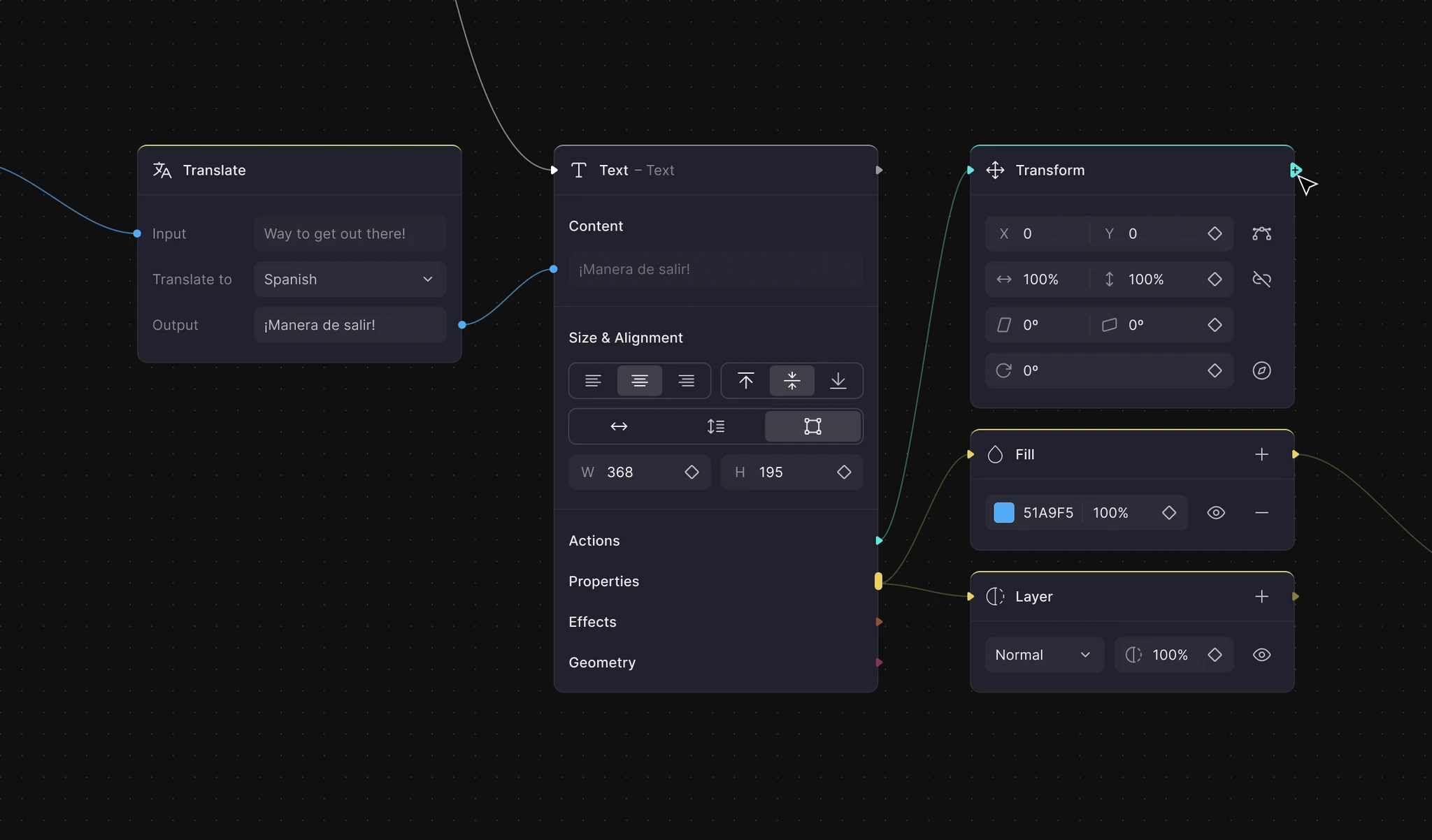
Node-based workflow system with Translate, Text and Transform nodes
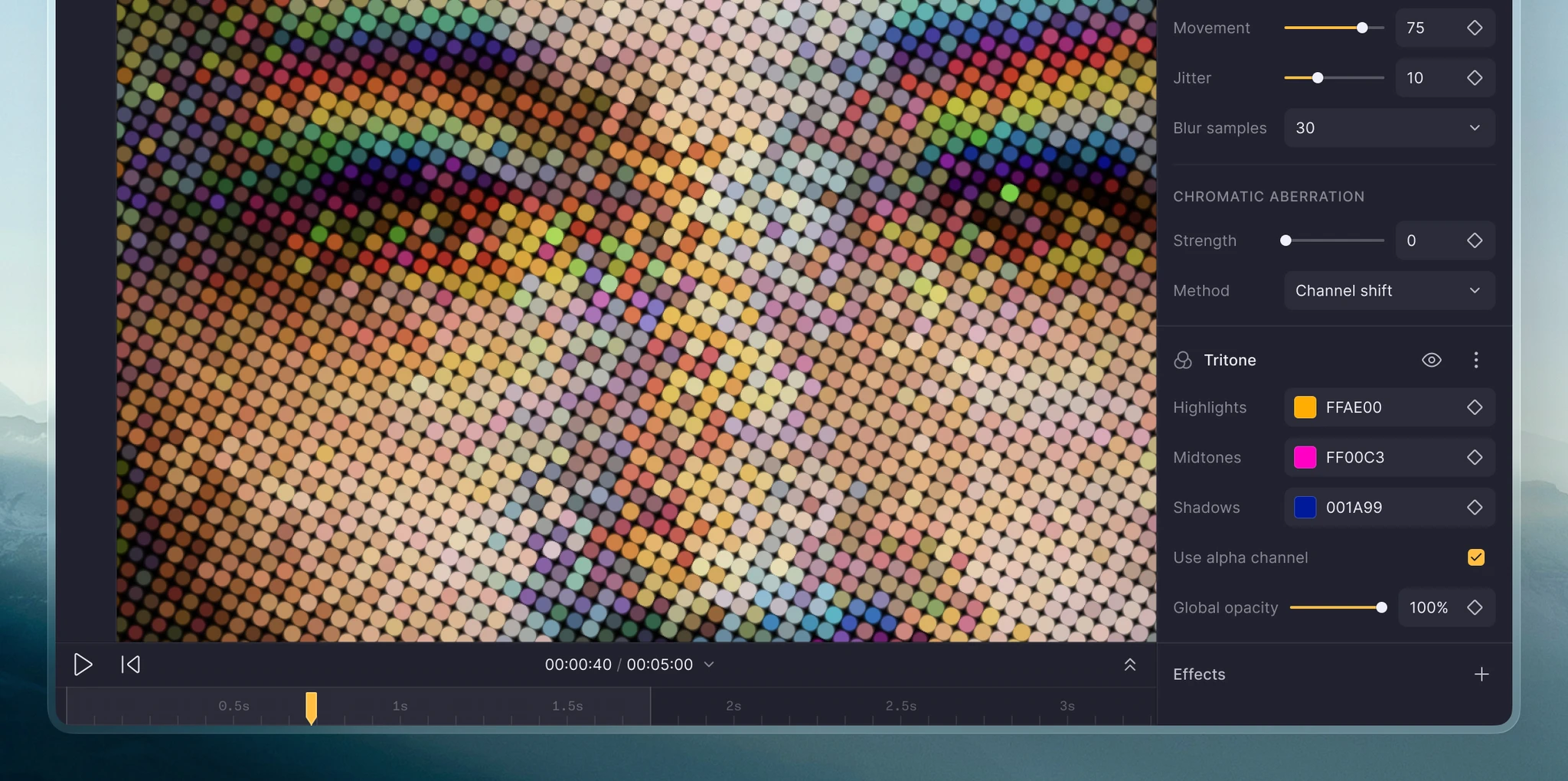
Chromatic aberration and tritone effects panel with halftone pattern preview
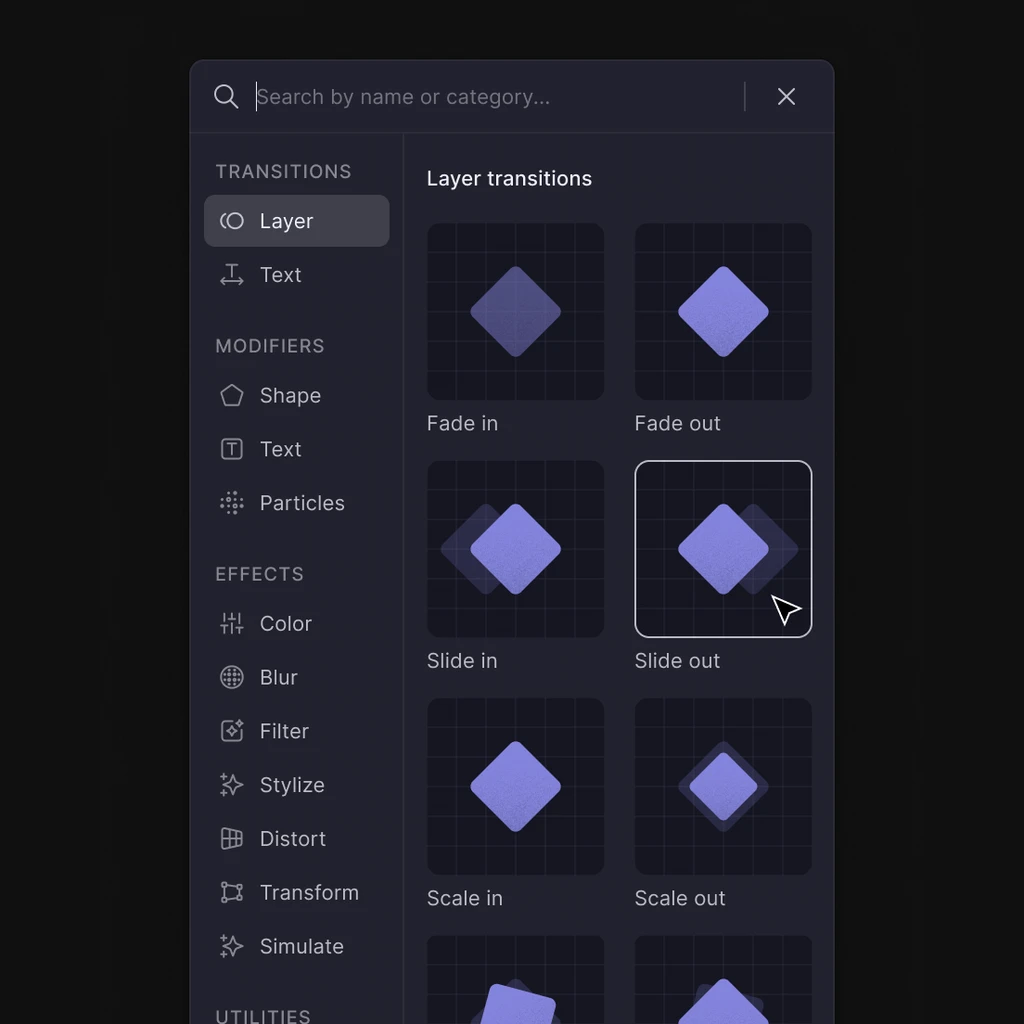
Layer transitions panel showing Fade, Slide, Scale animation presets
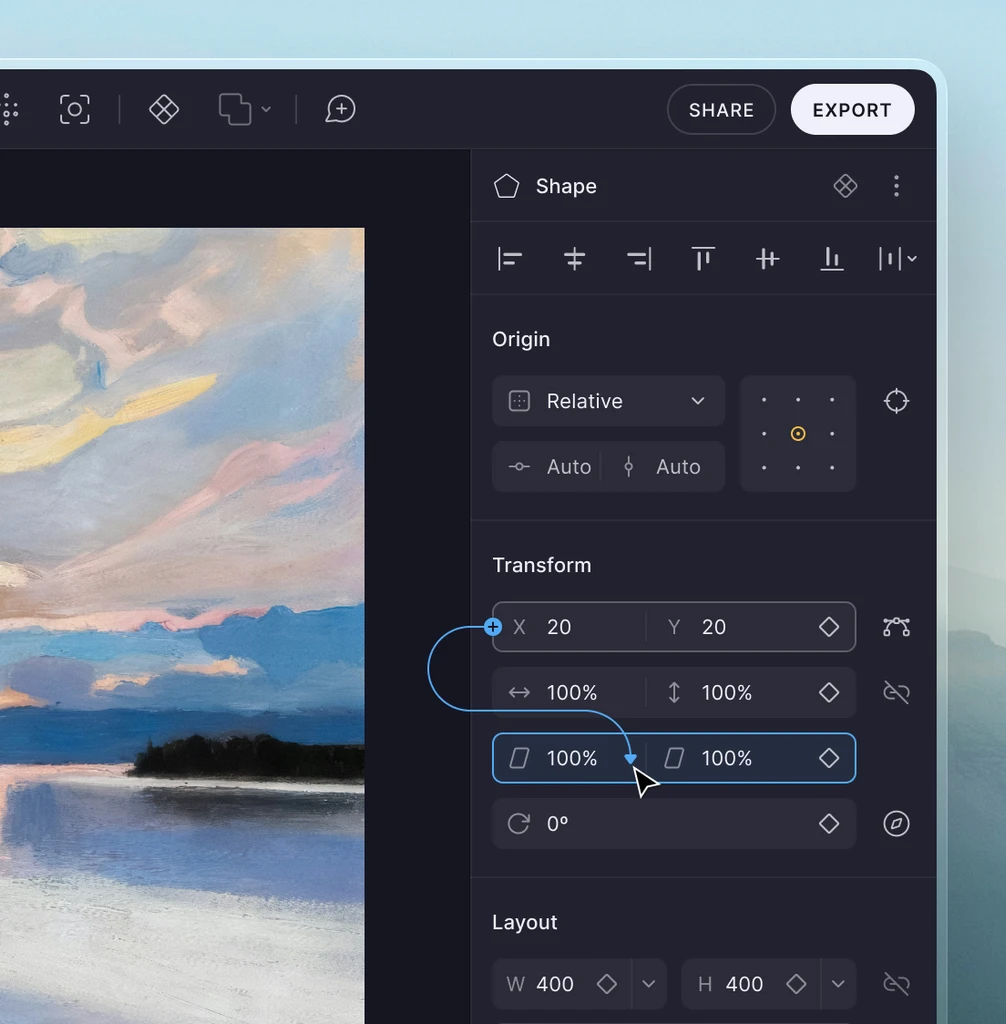
Shape properties panel with Origin, Transform, and Layout controls
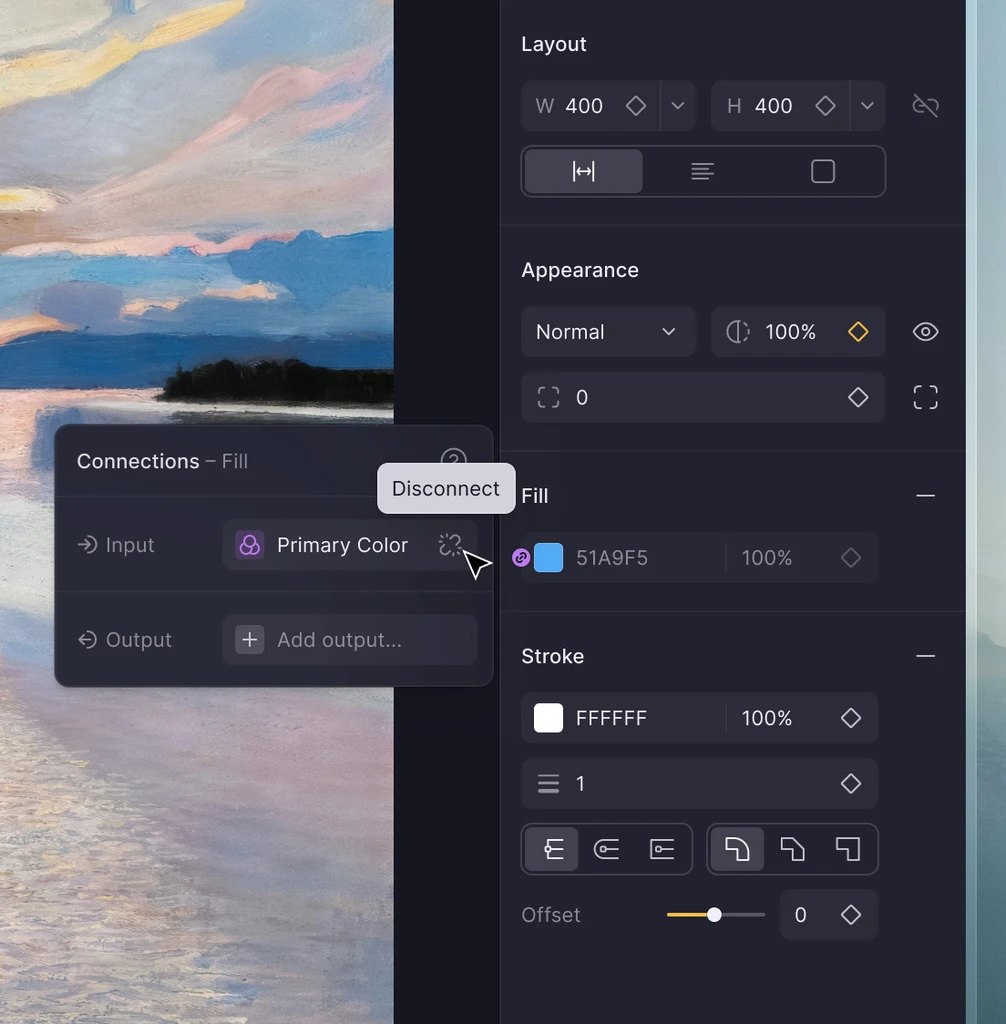
Connection panel with Fill, Stroke, and Appearance controls
Role Senior Creative Software Engineer (2019–2023)
Stack WebGL, GLSL shaders, React, TypeScript
  • Designed and shipped the rendering pipeline: shaders, particle engine, post-processing stack
  • Owned UI/UX implementation for new features end-to-end, from prototyping interaction patterns to shipping production components
  • Contributed to product vision, directly shaping how animators interact with creative tools at scale

3D Scene Editor, AI-Directed Environment Generation

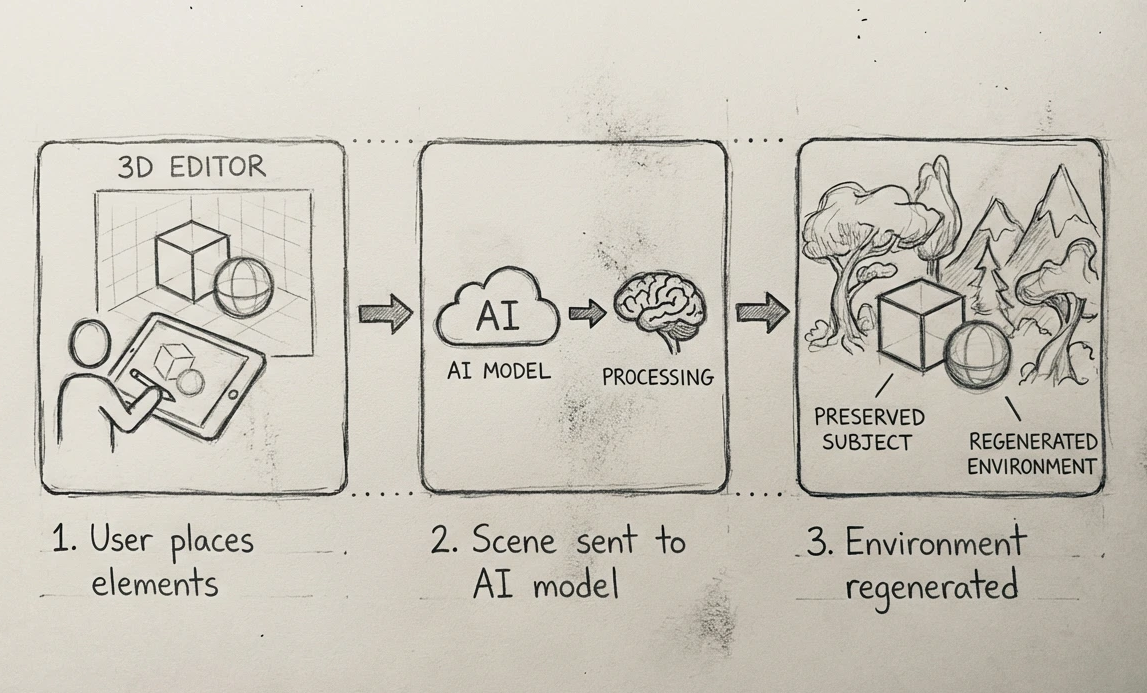
A Three.js scene editor that lets users compose 3D scenes and send them to a generative AI model that redesigns the environment while preserving the hero subject.

Project under NDA, workflow overview below.

Workflow diagram: user places elements in 3D editor, scene sent to AI model for processing, environment regenerated while preserving hero subject
Role Lead developer, designed and built the full interface
Stack Three.js, React, generative AI model integration
  • Built for a major advertising agency to accelerate creative production
  • Users arrange hero products and elements in a 3D scene, then the AI model regenerates the surrounding environment, lighting, textures, context, while keeping the hero subject intact
  • A direct example of spatial, intuitive control over generative AI output, beyond text prompting

Landscape Photo Editor, Layer-Based AI Image Editing for Landscape Designers

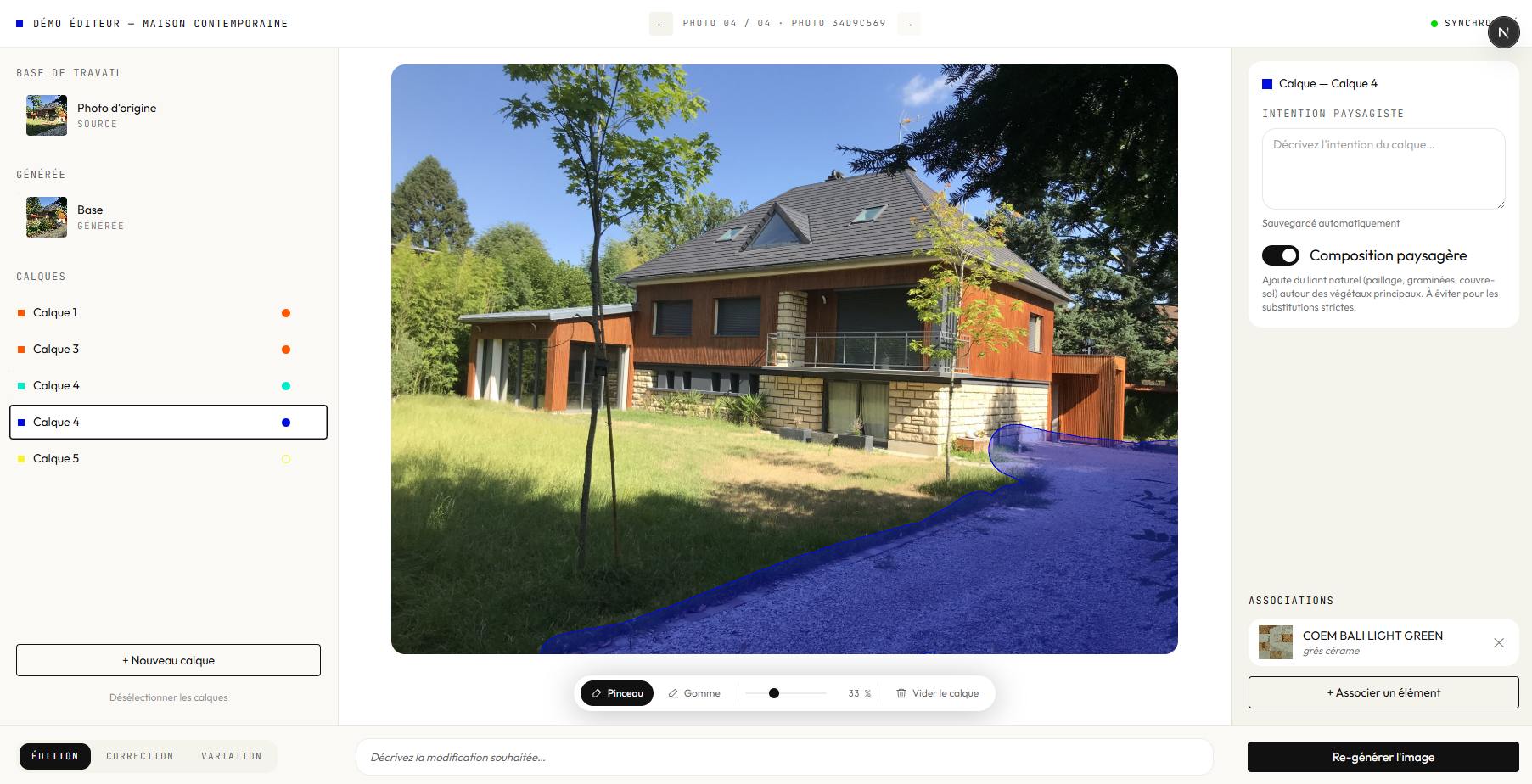
A canvas-based photo editor for landscape designers (paysagistes), built around how they actually work: import a site photo, mask the exact zones to change, associate each layer with real plants and materials from a shared library, and regenerate the image with Gemini 3 (Nano Banana Pro) through Vertex AI.

Landscape editor with a house photo, left sidebar listing colored layers (Calque 1–5), the active blue layer painting a mask over the driveway, right panel showing layer intention text, a 'Composition paysagère' toggle, and an associated material (Coem Bali Light Green ceramic tile)
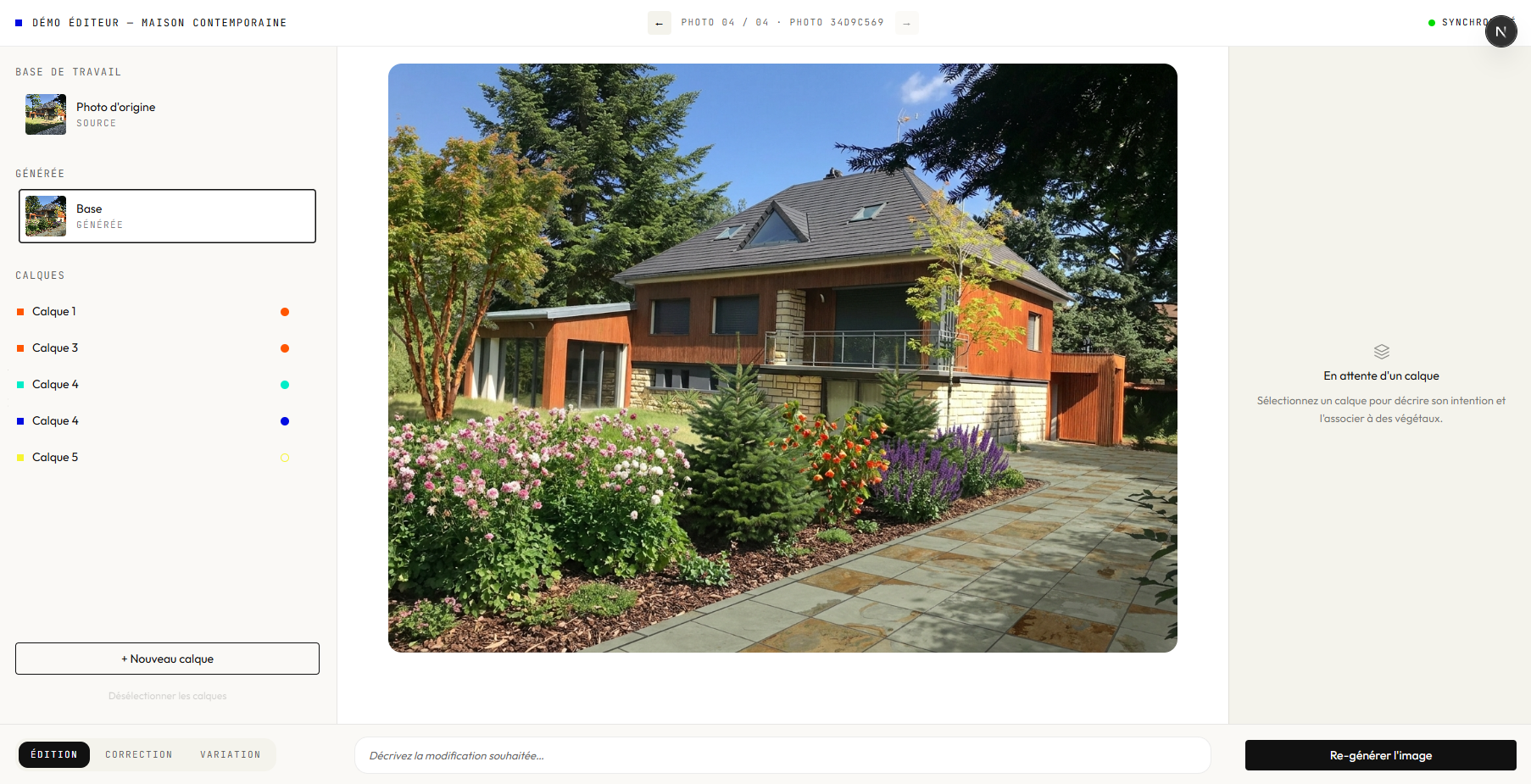
The same scene after generation: the driveway is replaced by stone paving and a flower bed of roses, conifers and salvia, produced from the layered intentions
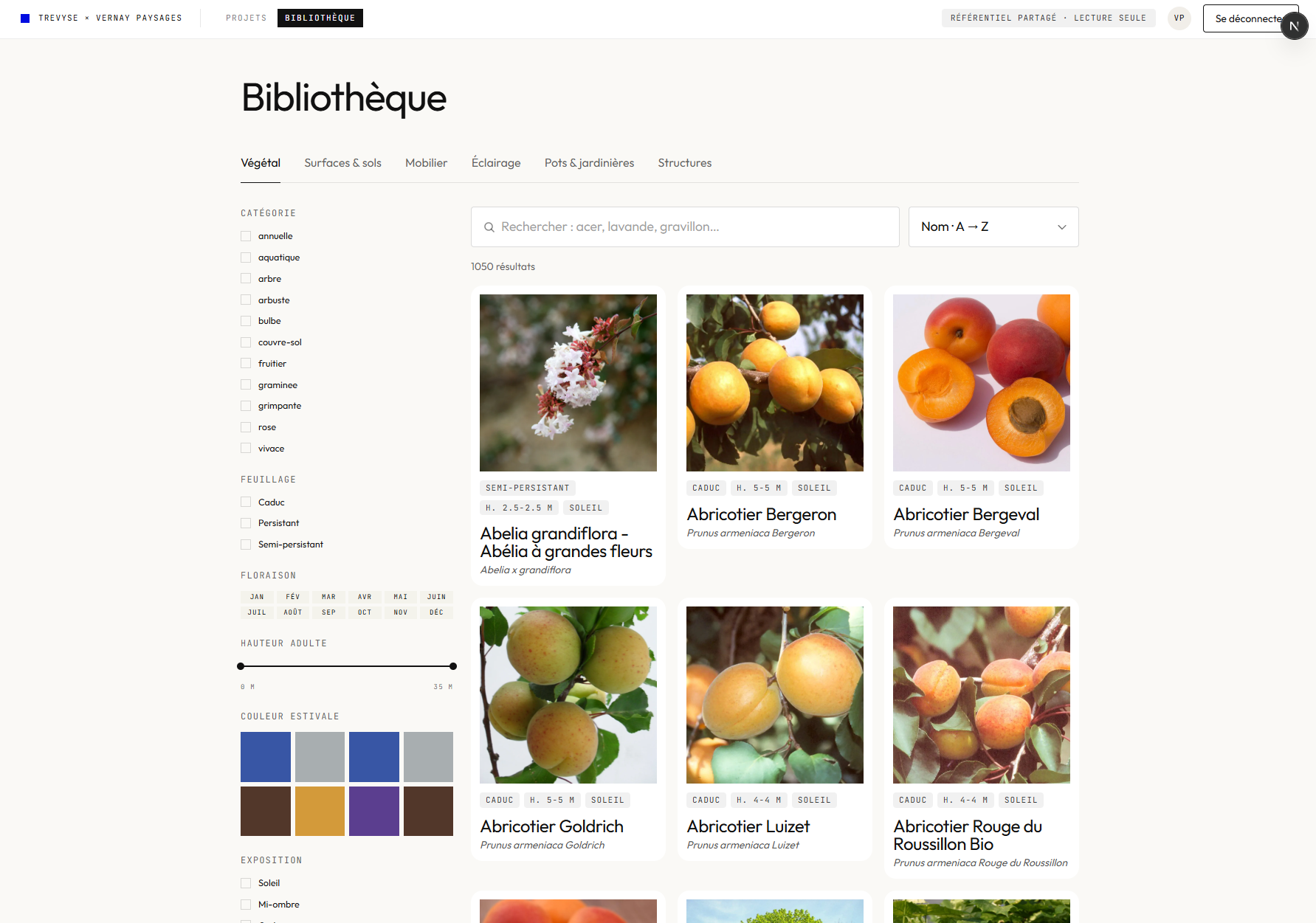
Shared library of 1050 plants with filters by category, foliage, flowering months, adult height, summer color and exposure, each entry has photo, common name, latin name and care tags
Role Lead developer, UI/UX & concept, for Trevyse, in collaboration with Vernay Paysages
Stack Canvas, React, Python crawlers, Gemini 3 / Nano Banana Pro via Vertex AI & Google AI Studio
  • Built around the paysagiste's real workflow, not generic image editing, so a designer can take a client photo and propose a redesigned garden in a handful of intentional layers instead of dozens of prompt iterations
  • Each layer carries an intention, a free-form description, and associations to real catalog entries (plants, ground surfaces, ceramics, structures),the generation respects horticultural and material constraints, not just visual style
  • Custom-built shared library of 1000+ plants and materials, populated through Python crawlers and curated per agency, used as the constrained vocabulary the AI is allowed to draw from
  • Generation pipeline orchestrates Nano Banana Pro (Gemini 3 image preview) through Vertex AI and Google AI Studio, tuned to reach a useful result in the minimum number of steps to control cost per image

Hennessy X.O., Generative Art System

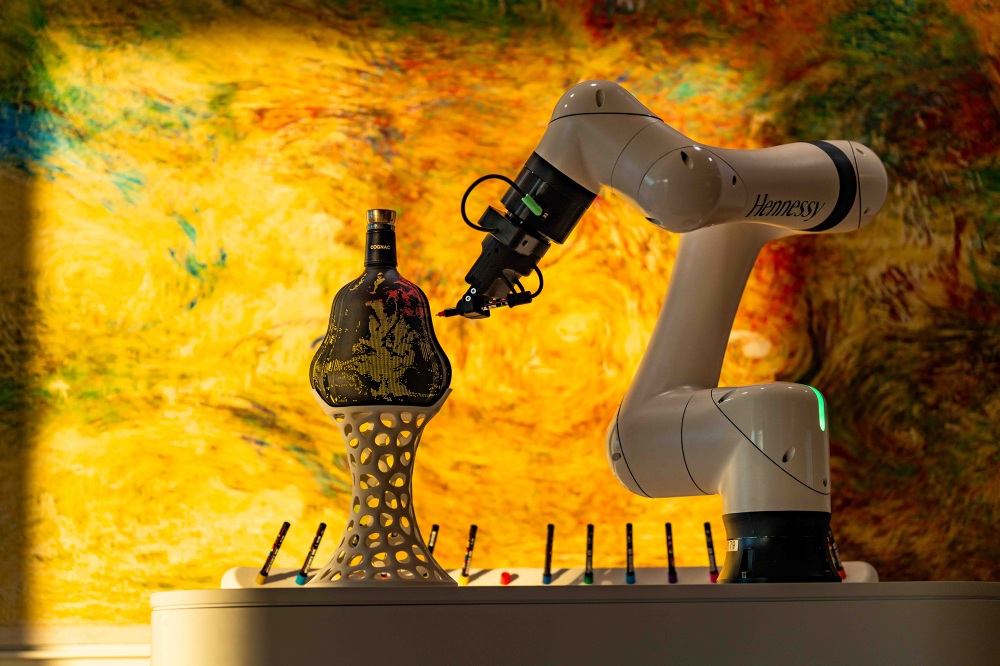
A generative art collaboration with Hennessy X.O., creating algorithmic artworks produced across multiple mediums through an autonomous creative pipeline.

Hennessy-branded robotic arm drawing on a cognac bottle with generative artwork in background
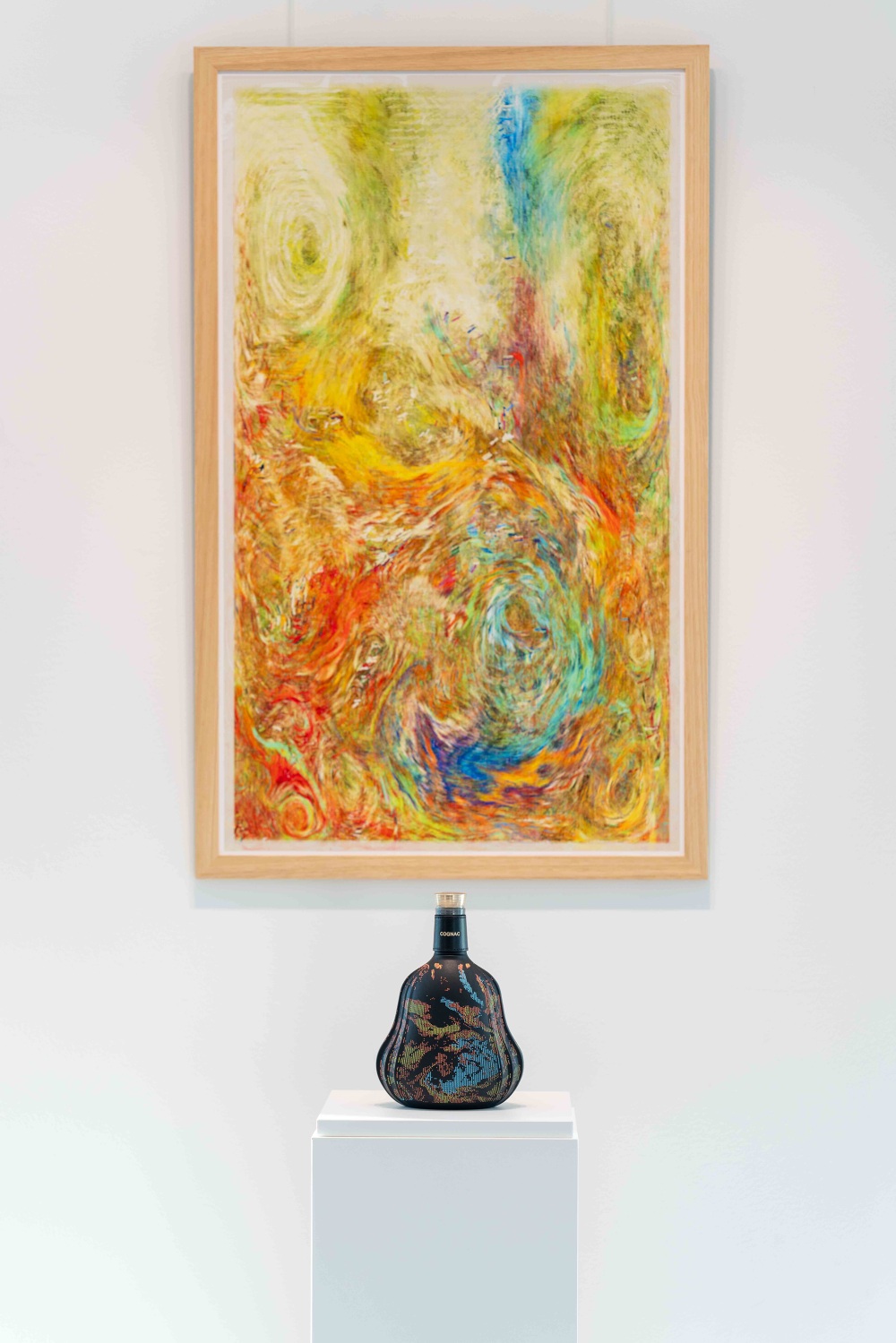
Framed generative artwork with painted Hennessy X.O. bottle displayed below
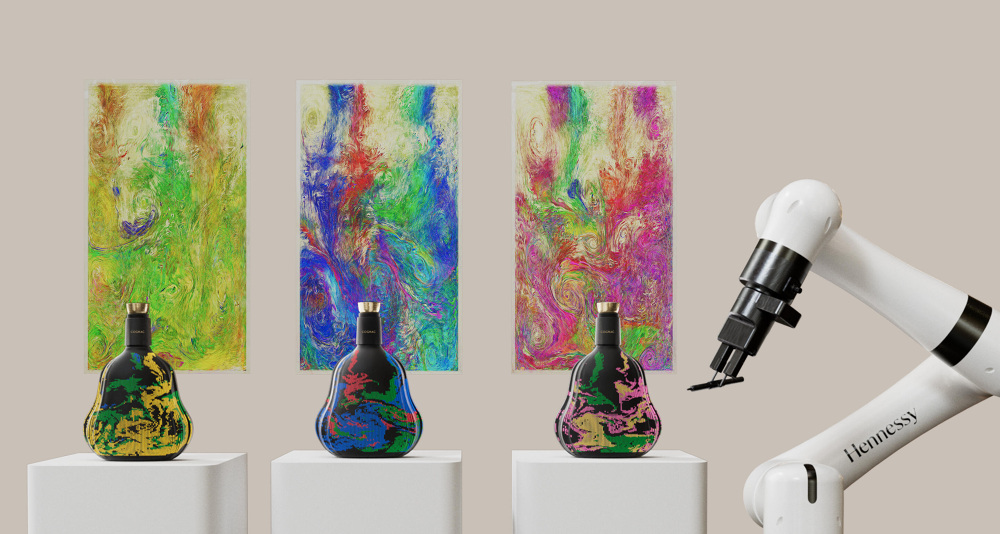
Three unique generative artworks paired with their corresponding painted bottles, robotic arm at right
Role Artist & creative technologist
Stack WebGL, custom generative algorithms, robotic drawing systems
  • Created a complete generative system: algorithms generate compositions, an autonomous quality-control pipeline ensures consistency, output is produced via robotic drawing, print, and digital
  • Fusion of cutting-edge technology and handcrafted approach for a luxury brand

Generative Art Practice, Custom Tools & Exhibited Work

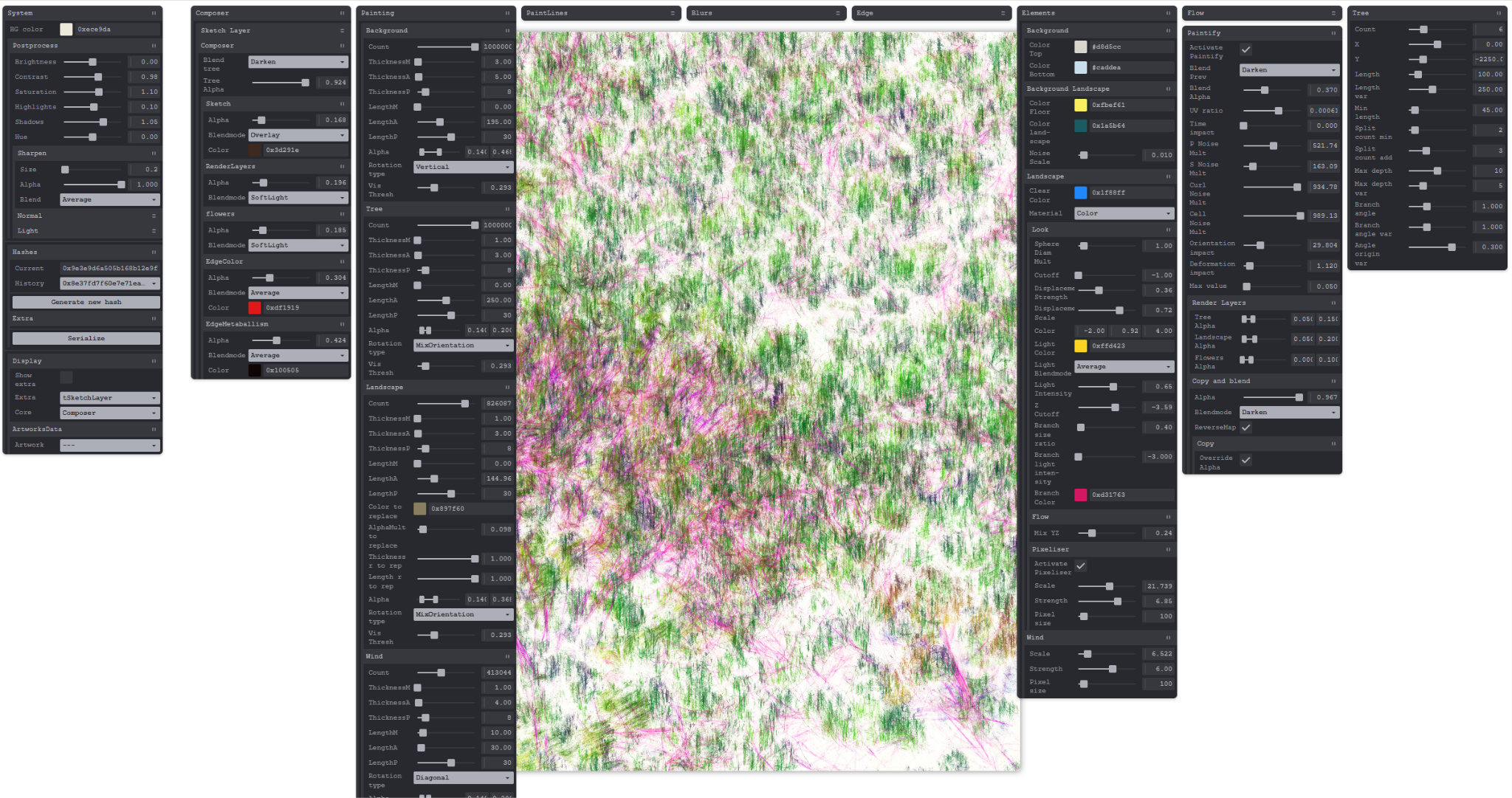
An international generative art practice built on custom-developed creative tools, from algorithm editors to autonomous production pipelines.

Custom generative art editor with multiple parameter panels surrounding a canvas of green and pink algorithmic brushstrokes
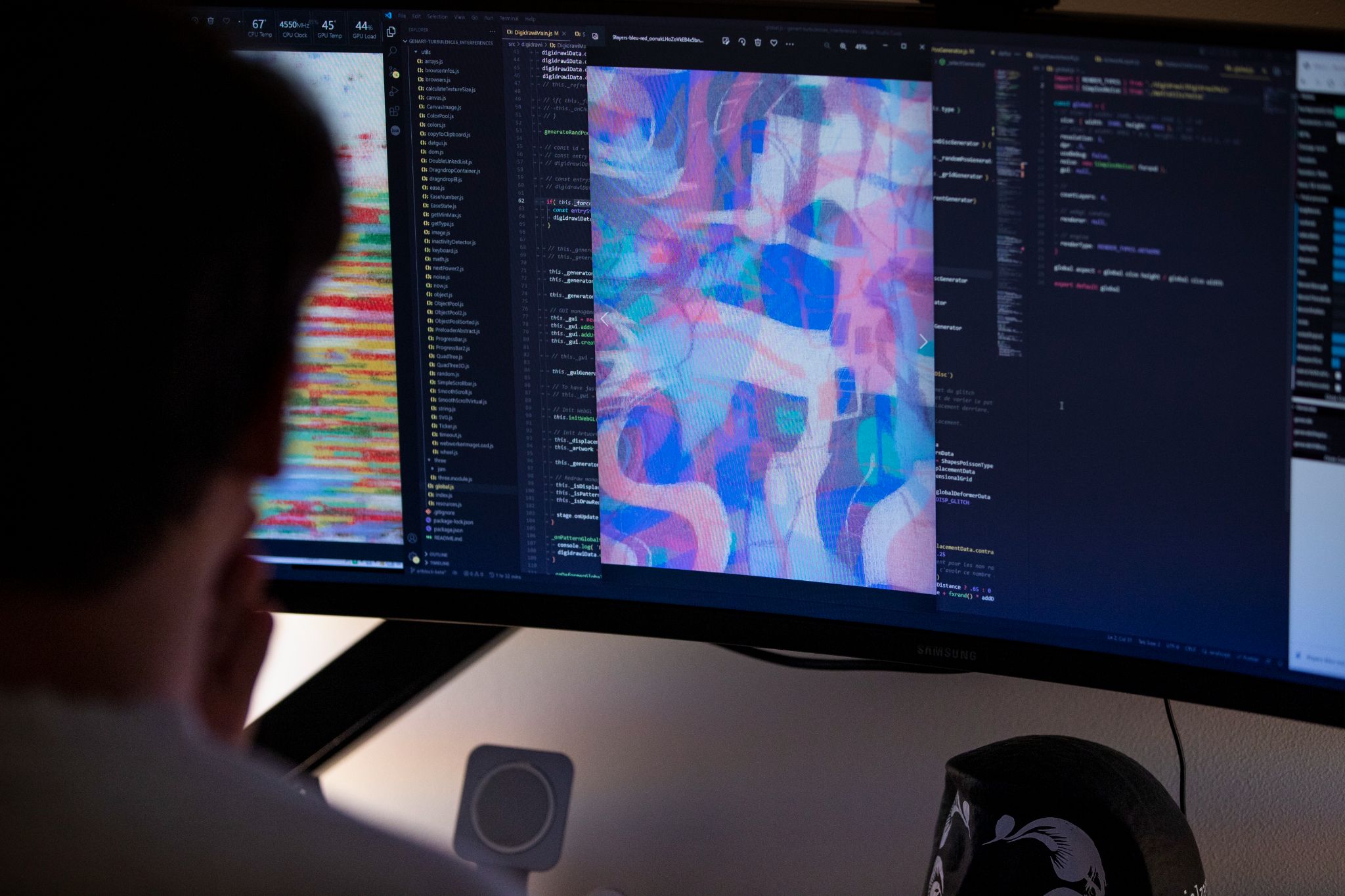
Artist working with code and generative artwork displayed on a wide monitor, code on left, vibrant abstract output in center
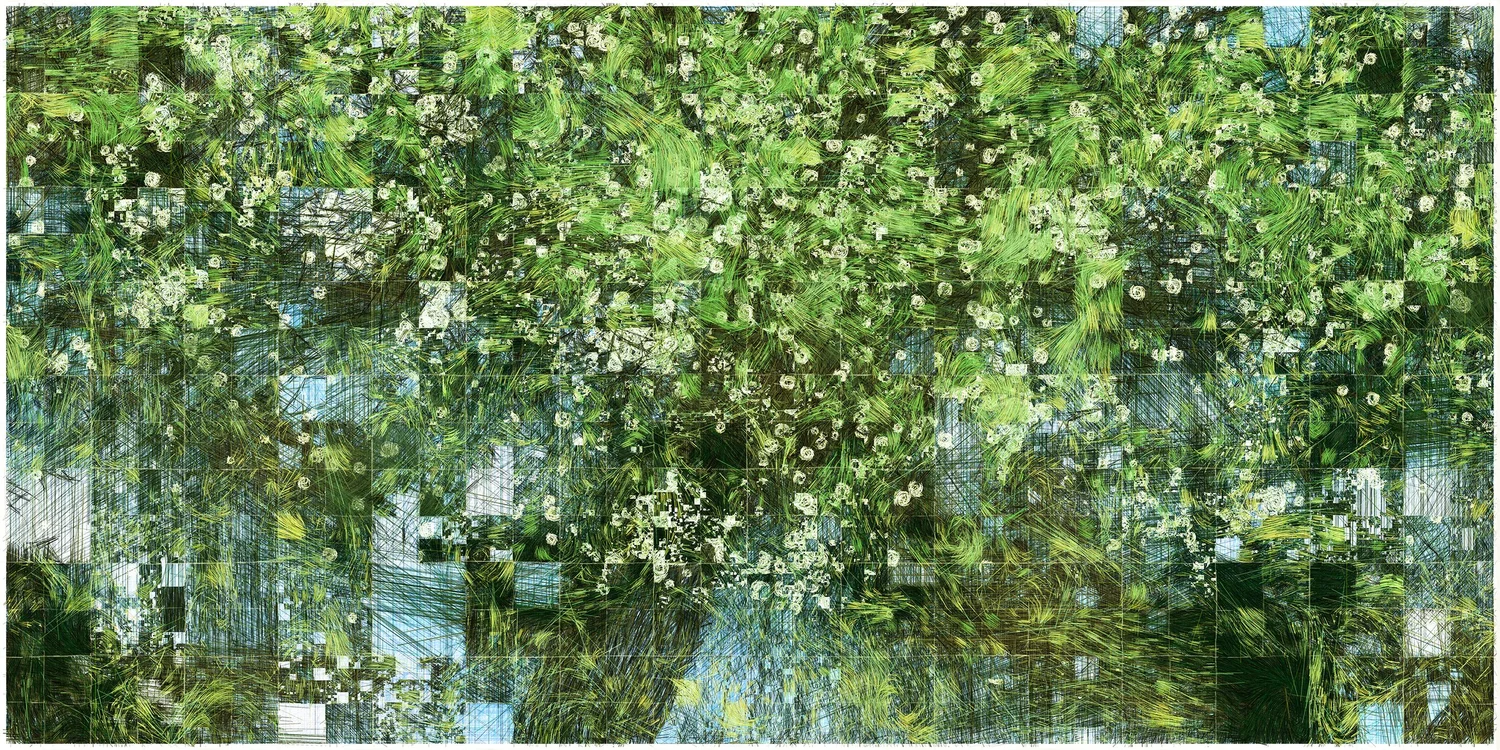
Generative artwork, dense green and white floral algorithmic composition
Role Artist & toolmaker, concept, algorithm design, tool development, production
Stack JavaScript Canvas, WebGL, GLSL shaders, custom editor interfaces
  • Build my own creative tools and editors to develop, iterate, and produce generative artworks
  • Autonomous quality-control pipelines producing output across multiple mediums: robotic drawing, print, web, projection
  • Exhibited internationally: solo shows at DIG Shibuya Tokyo (2025), Code + Matter in Paris (2025); group shows at Bright Moments (Venice, Paris, Berlin), London Biennale, Verse Gallery London, NEORT Shibuya
See artworks → florianzumbrunn.com

Other Projects

Speech-to-Text Pipeline

Multi-model system orchestrating Whisper (GPU via Modal) + Pyannote for speaker diarization. Built as a self-hosted alternative to commercial transcription services.

Goal is exploration and build projects on top of it.

Google, Chrome × WebGL, Tokyo

Real-time WebGL animations commissioned by Google for the large screens at their Tokyo offices in Scramble Square, promoting Chrome and the open web.

Artist Catalog Platform

A tool for artists to create targeted, professional portfolio links for different audiences, galleries, collectors, press.

AI Image Generation Workflows

Commercial prompt-engineering pipelines (Krea, Nano Banana 2) translating complex visual briefs into deterministic, reproducible AI-generated imagery for advertising clients.